
Label guide
How to read a protein powder label: serving size, protein and ingredients
Learn how to read a protein powder label without getting lost in front-of-pack claims: serving size, protein, ingredients, allergens, price and directions.
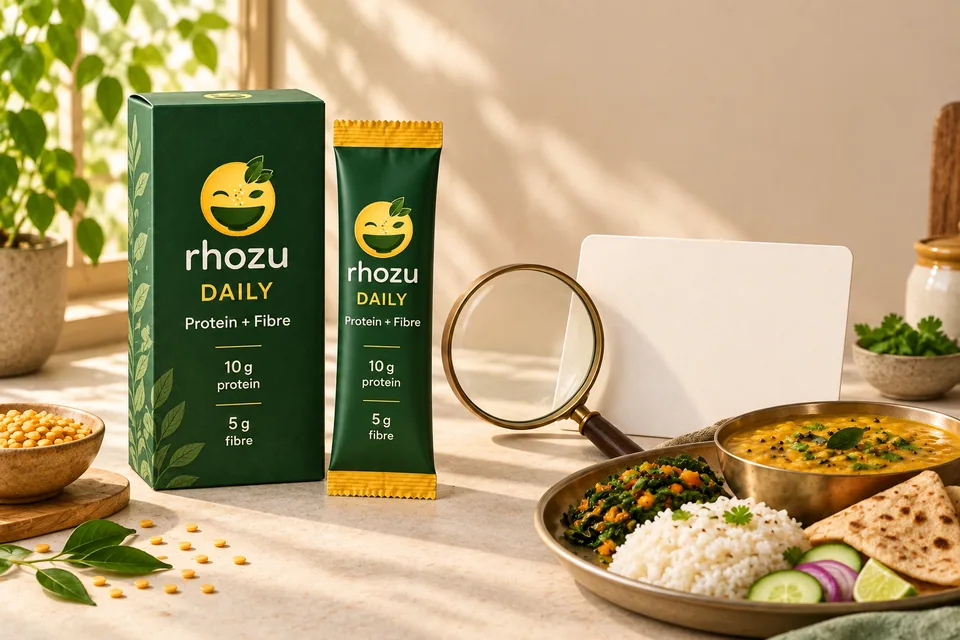
Read the serving line before the big number
Start with serving size in grams and the number of servings per pack. Then connect the protein number to that serving. A scoop, a sachet and a bottle can carry very different amounts even when every front label uses the word protein.
If the product uses a scoop, check whether the scoop is level or heaped and follow the pack directions. Treat the labelled serving as the comparison unit, not an assumed scoop size.
Check protein per serving—and the rest of the panel
Protein is only one line in a nutrition panel. Look at the full serving's energy, carbohydrate, fat, fibre and sodium when those matter to your plan. The right comparison depends on the job the product has in your day.
For a simple cost check, divide the pack price by the total grams of protein in the pack. That does not decide quality or suitability, but it avoids comparing a large tub with a small serving headline.
Read the ingredient list in order
The ingredient list tells you what the product is made from, while the nutrition panel tells you how much of selected nutrients it provides. Look for the protein sources first, then note flavourings, sweeteners, added fibre, lecithin and any texture or processing aids.
Words such as natural, clean or advanced are not a replacement for the list. The practical question is whether the ingredients fit your preference, allergies and intended use.
Find the allergen and direction information
Read the allergen declaration every time you change product or flavour. Whey and milk ingredients matter to people avoiding dairy; plant blends can still contain or be made around other declared allergens. Do not infer safety from a product category alone.
Directions also matter: water volume, mixing method, storage, serving limits and whether the product is intended for a drink or food. If the pack gives a specific routine, follow it rather than improvising a larger dose.
Use front-of-pack claims as prompts, not proof
Use the front label to shortlist a product, then confirm the number against the nutrition panel, ingredient list and directions. That quick second look turns a headline into a decision you can trust.
For DAILY, the useful facts are specific: an unflavoured meal format, 10 g plant protein and 5 g dietary fibre per sachet, plus the stated mixing and introduction guidance.
A five-line label routine
- Serving size and servings per pack.
- Protein per the serving you will actually use.
- Full ingredient list and source proteins.
- Allergen declaration, directions and storage.
- Pack cost divided by the total protein you are buying.
Ready for the simpler routine
10 g protein + 5 g fibre, right in your meal.
DAILY is an unflavoured plant-protein and PHGG fibre sachet made for moist food after cooking. One measured portion. One familiar meal.