The supplement routine
- Remember to take it
- Find the tub and the scoop
- Make a separate drink
- Wash the shaker after
Everyday meal protein · made for Indian food
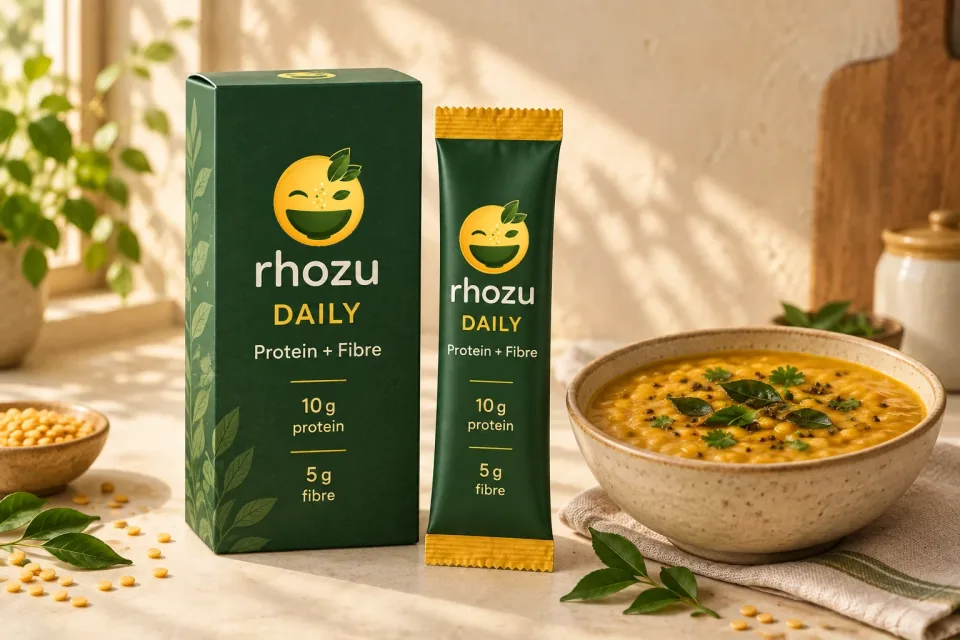
RHOZU is an unflavoured powder you stir into food that's already on your plate. Two sachets a day, one at lunch and one at dinner, carry 20 g of plant protein, soluble fibre, a probiotic and ten vitamins and minerals into meals you were eating anyway.


The product
Mung bean and rice protein with soluble fibre, one probiotic strain and ten vitamins and minerals. We mill it fine, leave it unflavoured and pack it one meal at a time.

everyday meal protein · Original Neutral
Two sachets a day, one at lunch and one at dinner. Stir them into the food you have already served. No shaker, no extra wash-up and no sweet flavour.
₹1,199
₹19.98 a sachet₹39.97 a day
A full month at both meals, and the cheapest way to buy it.
Orders aren't open yetPick the carton you want and reserve it. The first run goes to this list before it goes anywhere else, and you're not charged anything today.
Mung bean protein isolate, rice protein, partially hydrolysed guar gum, sunflower lecithin, sodium citrate, salt, a vitamin and mineral premix and one probiotic culture. That is the whole list. We left out pea protein, herbs, enzymes and sweeteners on purpose.
Serve your food first. Sprinkle one sachet gradually over a full portion of warm, moist food and stir for ten to fifteen seconds. Keep the pan off the heat, and never add it to a rolling boil.
We're not shipping yet, so reserving a carton costs nothing and places no hold on your card. We note which carton you picked, which is how the first run gets packed against real demand instead of a guess. Delivery will be across India, and we'll confirm timings and any charges before a carton is dispatched.
One sachet is one portion, so the rest of the carton stays shut until you get to it.
Why RHOZU
Most nutrition products add another job to your day. You make a shake, carry a bar or remember a pill at breakfast. RHOZU goes into food that is already part of the day.
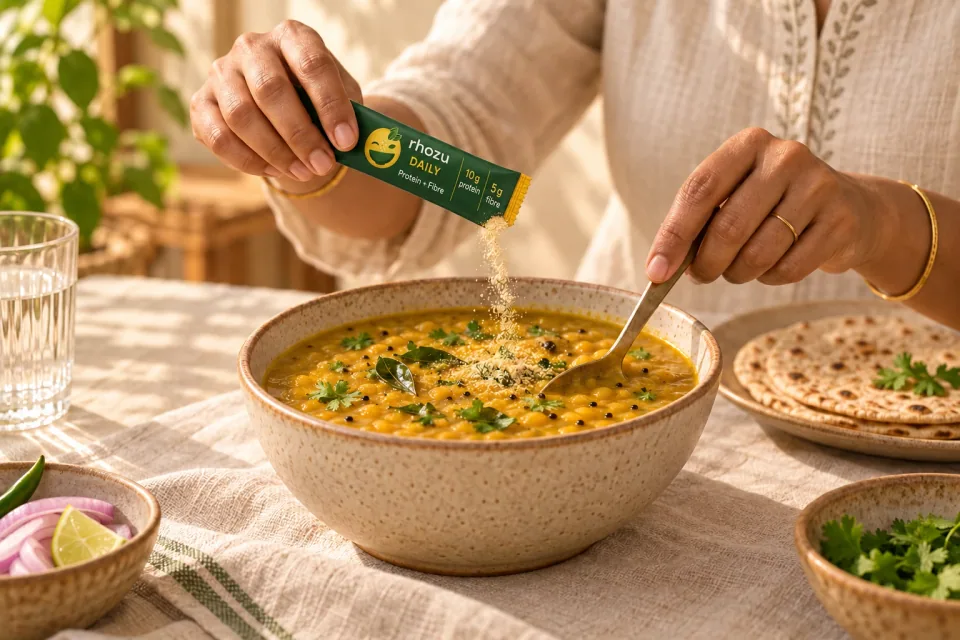
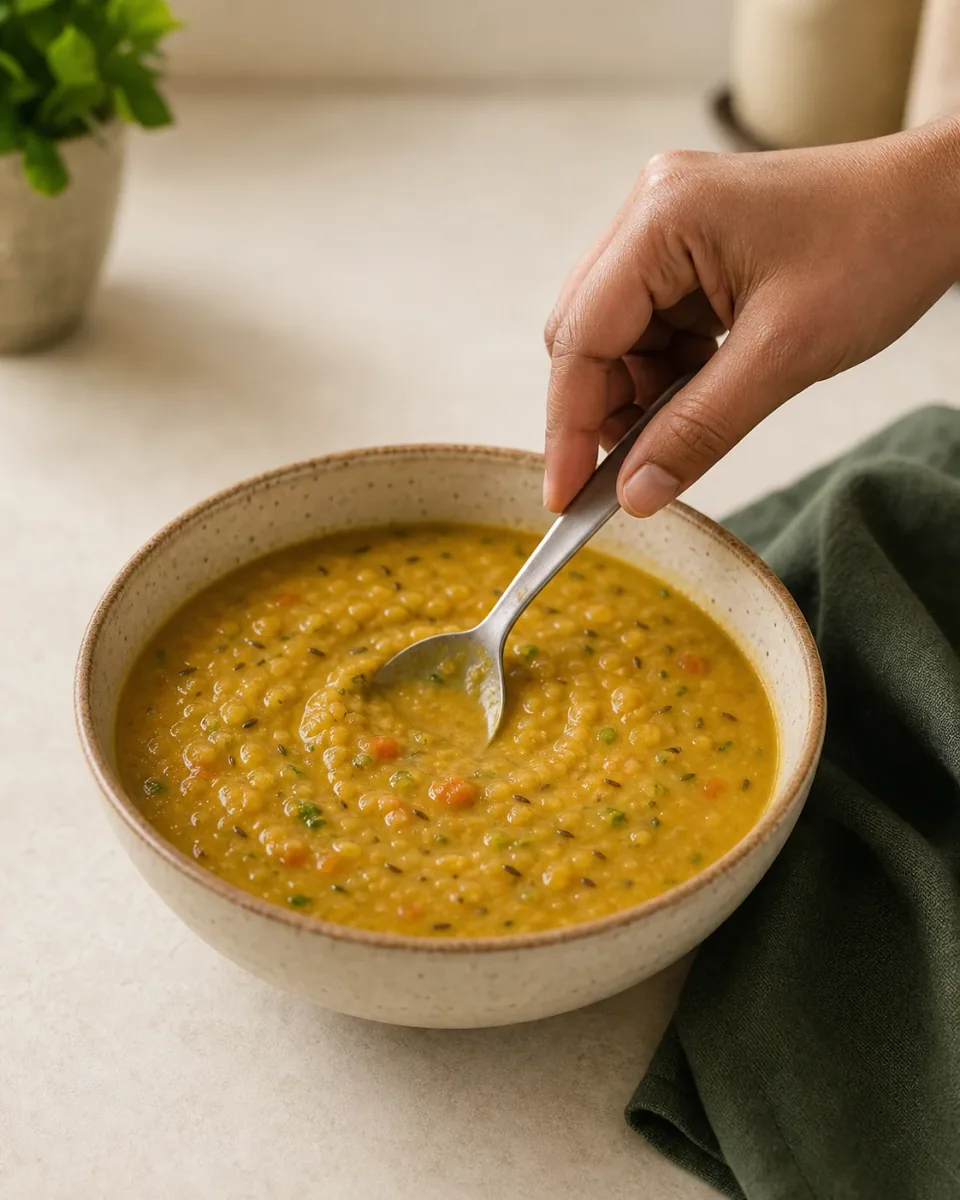
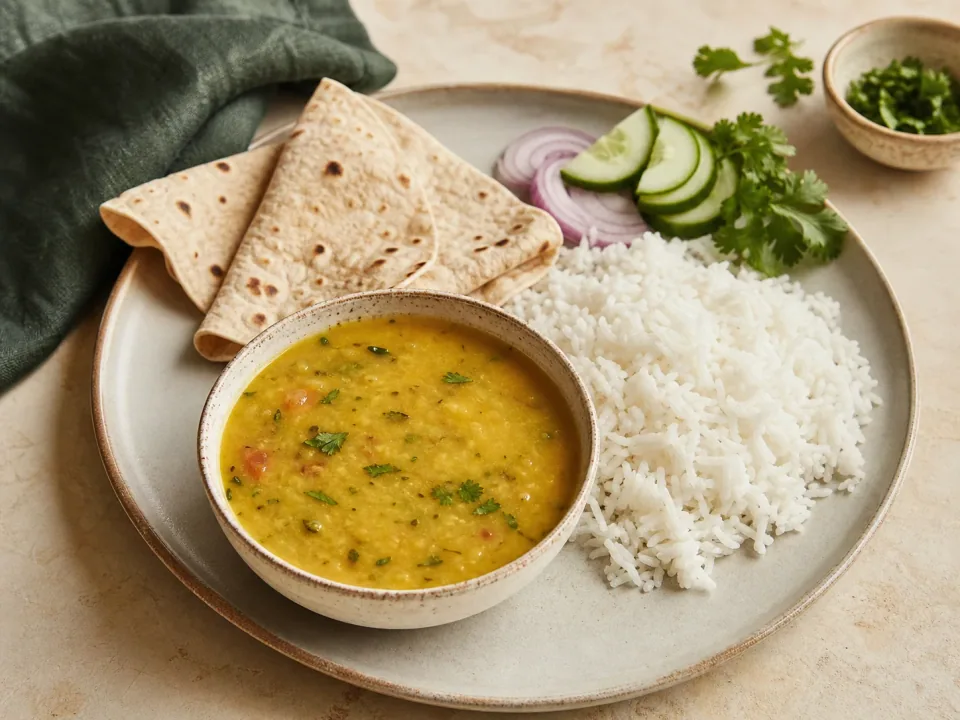
Serve the dal, tear a sachet over it and stir. The meal stays the same, and the protein comes with it.

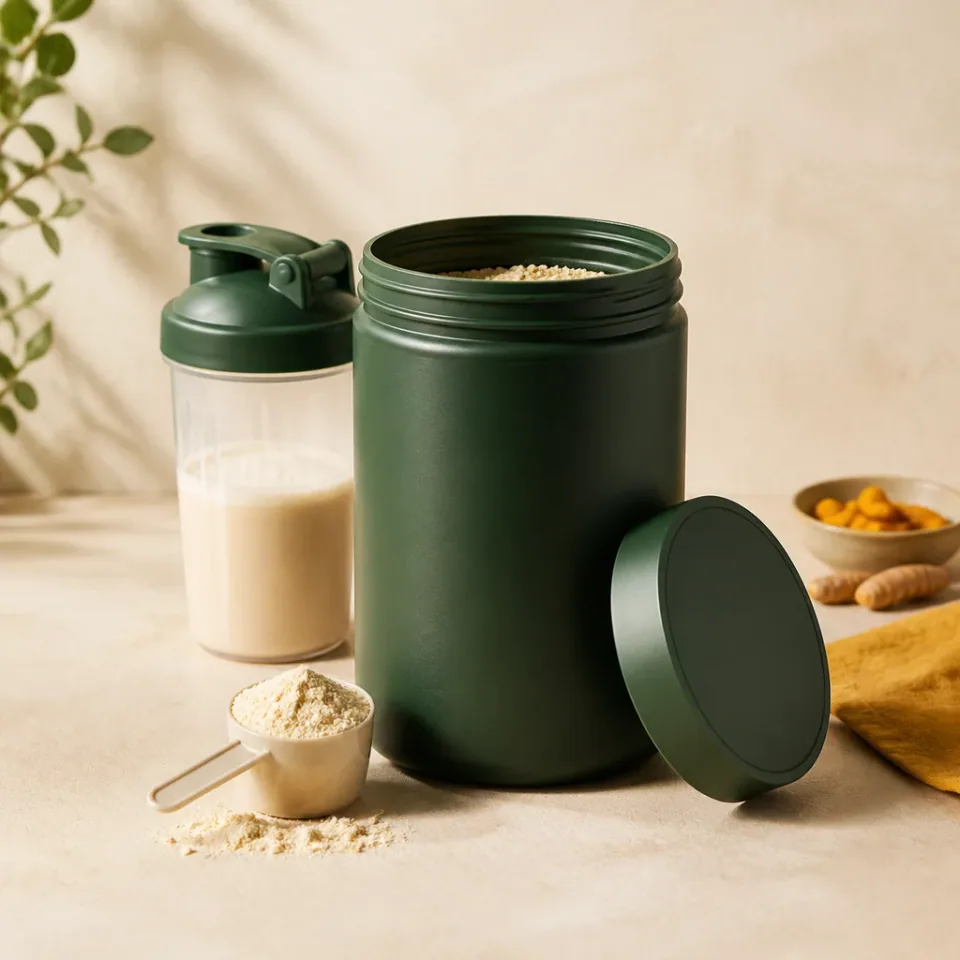
The supplement routine

The RHOZU way
10 g in every sachet, so there's no scoop to level and no arithmetic at 9pm.
It goes into the bowl you're already holding. The only thing you wash is a spoon.
A sachet slides into a laptop sleeve or a lunch bag, so the routine survives a week of travel.
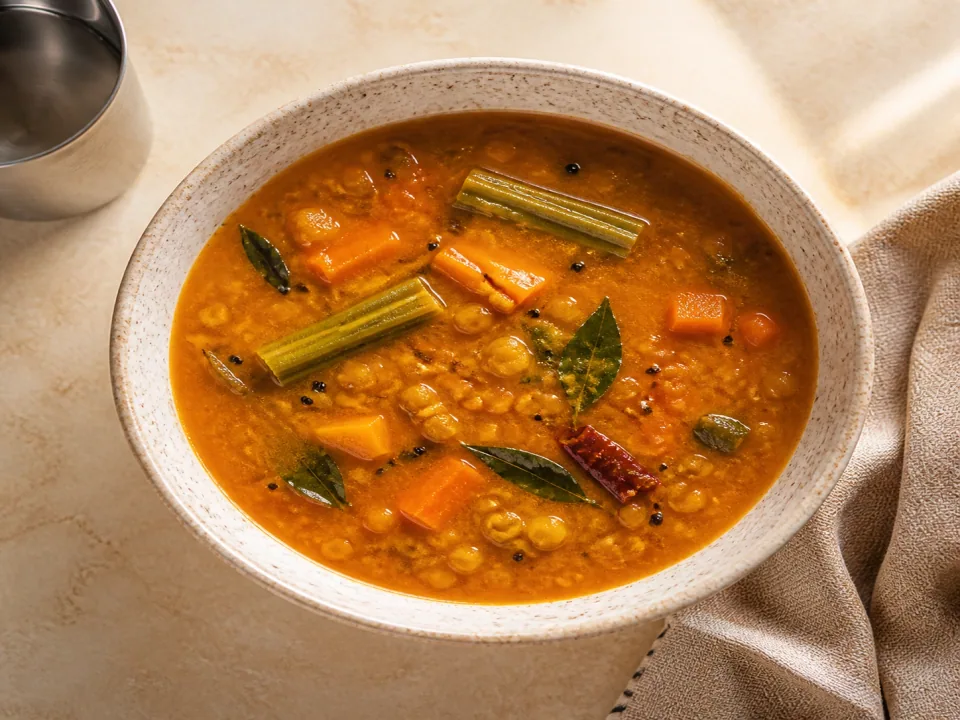
No sweetener and no vanilla, so it goes into dal and sambar without turning dinner into dessert.
Made for Indian plates
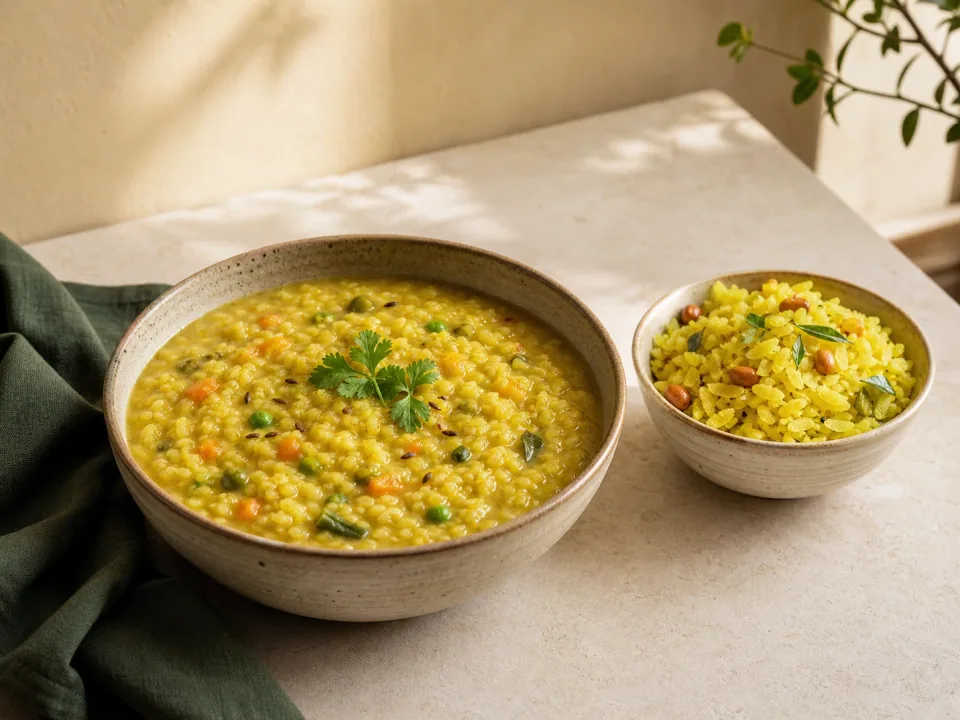
Start with the dishes you cook most weeks. A sachet needs a full serving of warm, moist food to disappear into, which describes most of what comes out of an Indian kitchen.


How it works
Ten seconds at the table. Add it after serving, while the food is still warm. It does not go into a pan on the heat.

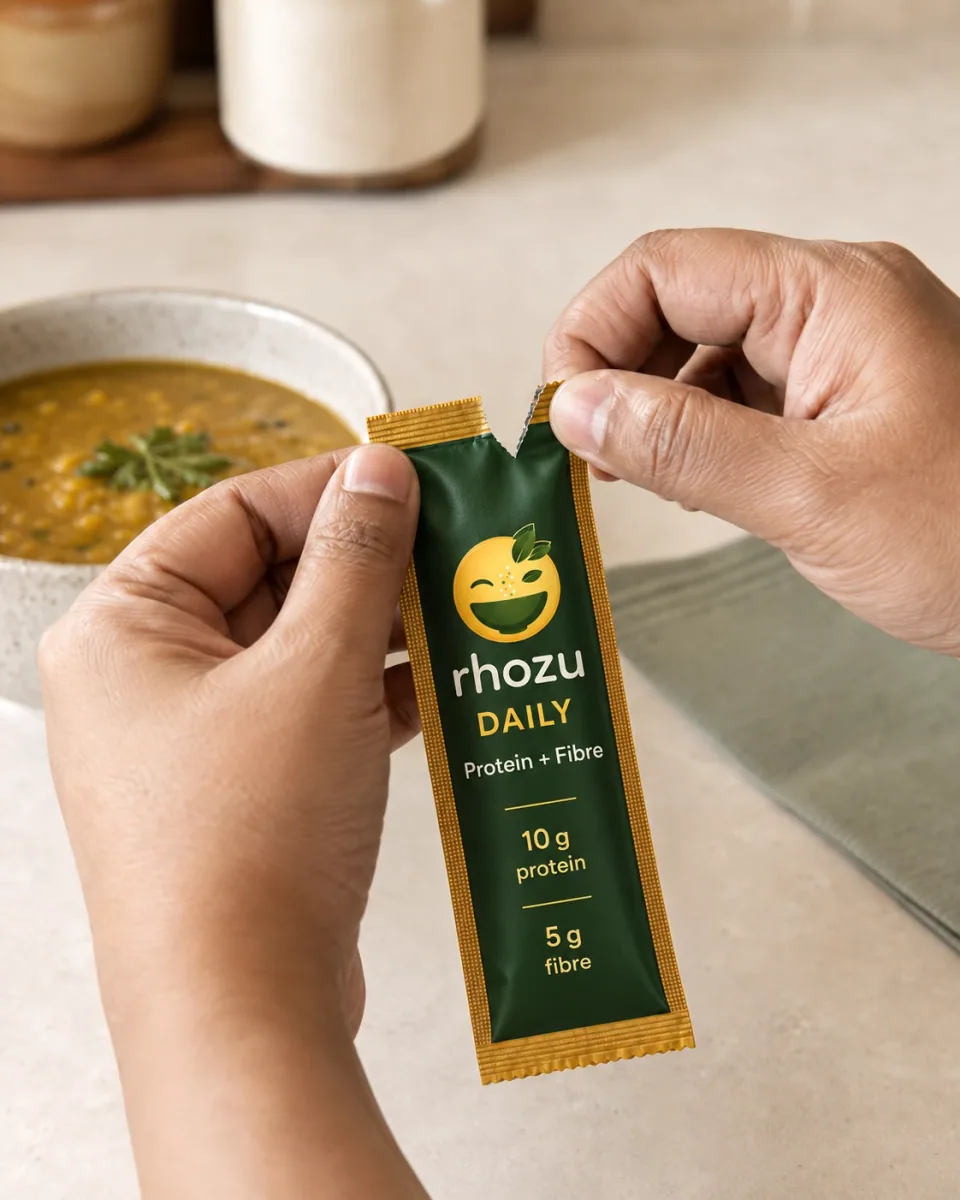
Plate your food first. Then open one sachet along the notch. That's a full 10 g portion, measured out for you.

Scatter it across the surface over a few seconds, the way you'd add besan to a gravy. Don't drop it all in one spot.

Ten to fifteen seconds of stirring, right down to the bottom of the bowl, and it's part of the meal.

Reckon on about a 200 g portion for each sachet, which is a full bowl of dal rather than a small katori. Give it less food than that and the powder has nowhere to go, so you taste it sitting on top instead of in the meal.
Don't add it while the food is on the heat, and never into a rolling boil.
Inside the carton
Each sachet is filled, sealed and counted. Your portion does not depend on how you hold a scoop.


Pack details

Nutrition
Each sachet contains about 15.5 g of powder, with just under two thirds as protein. The rest is soluble fibre, a probiotic, ten vitamins and minerals, plus a little lecithin and citrate that are there to make it mix in cleanly.


| Per serving | 1 sachet (15.5 g) | Per 100 g |
|---|---|---|
| Energy | 53 kcal | 341 kcal |
| Protein | 10 g | 64.5 g |
| Carbohydrate | 0.6 g | 3.9 g |
| Sugars | 0.1 g | 0.6 g |
| Dietary fibre | 1.6 g | 10.3 g |
| Total fat | 0.8 g | 5.2 g |
| Saturated fat | 0.2 g | 1.3 g |
| Sodium | 120 mg | 774 mg |
This panel is modelled from the formula, not finished-lot testing. We will replace it with assay data before printing a carton, and we'll say which numbers moved.
The rest of the day's nutrition
Each sachet carries about a quarter of an adult's daily reference intake for each of these ten nutrients, so two sachets carry about half. The list reflects nutrients vegetarian diets can run short of.
About 25% a sachet · about 50% a day
| Nutrient | Why it's in there |
|---|---|
| Vitamin B1 | Turning carbohydrate into energy |
| Vitamin B2 | Energy release inside cells |
| Niacin | Normal energy metabolism |
| Vitamin B6 | Protein and amino acid metabolism |
| Folate | Cell division and blood formation |
| Vitamin B12 | The one vegetarian diets miss most |
| Vitamin D | Bone and immune function |
| Zinc | Immune function and metabolism |
| Iodine | Thyroid function |
| Selenium | Antioxidant enzyme function |
Exact amounts and nutrient forms are fixed with the premix maker and reviewed against FSSAI requirements before anything goes to print. Reference intakes follow the ICMR-NIN recommendations for adults.

Where it fits
RHOZU is the featured product. The other cards are category references only - familiar formats people may already use, not products we sell.

Single-serve sachet
It goes into a meal you were going to eat anyway.

Powder and scoop
Still the better answer around training. Just not at dinner.

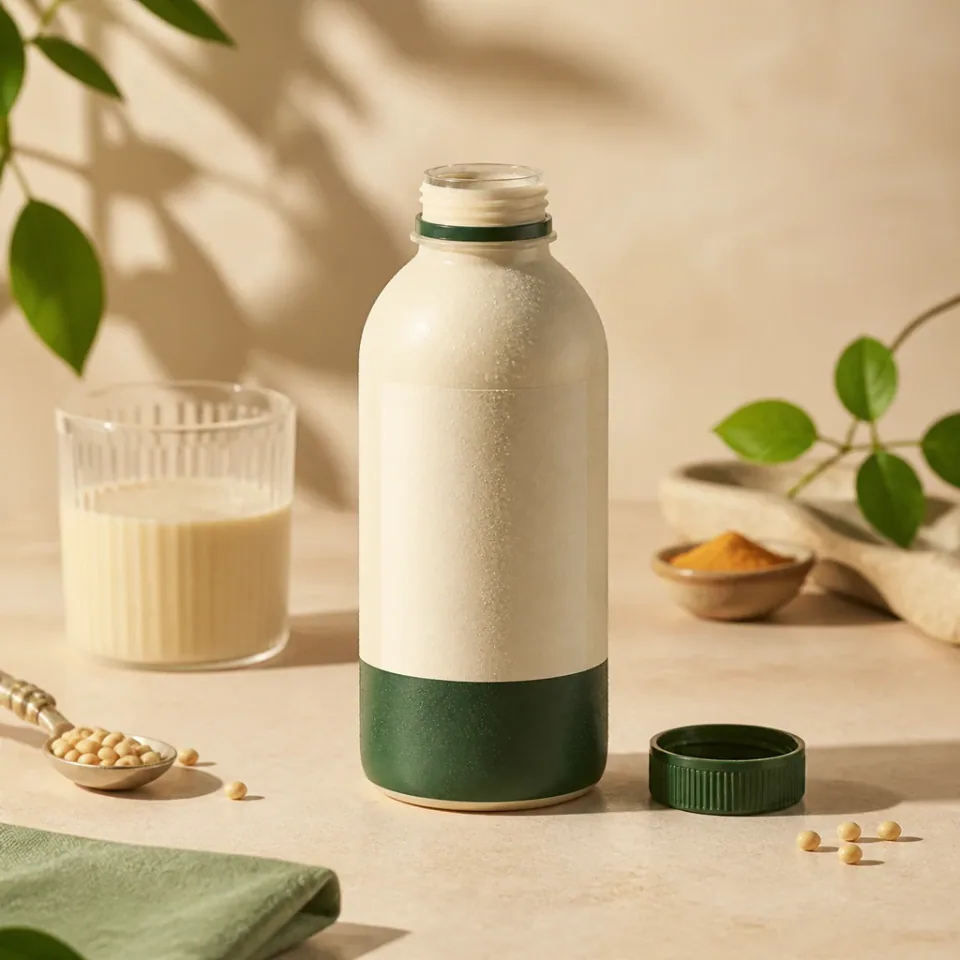
Chilled bottle
Convenient, and priced like convenience.

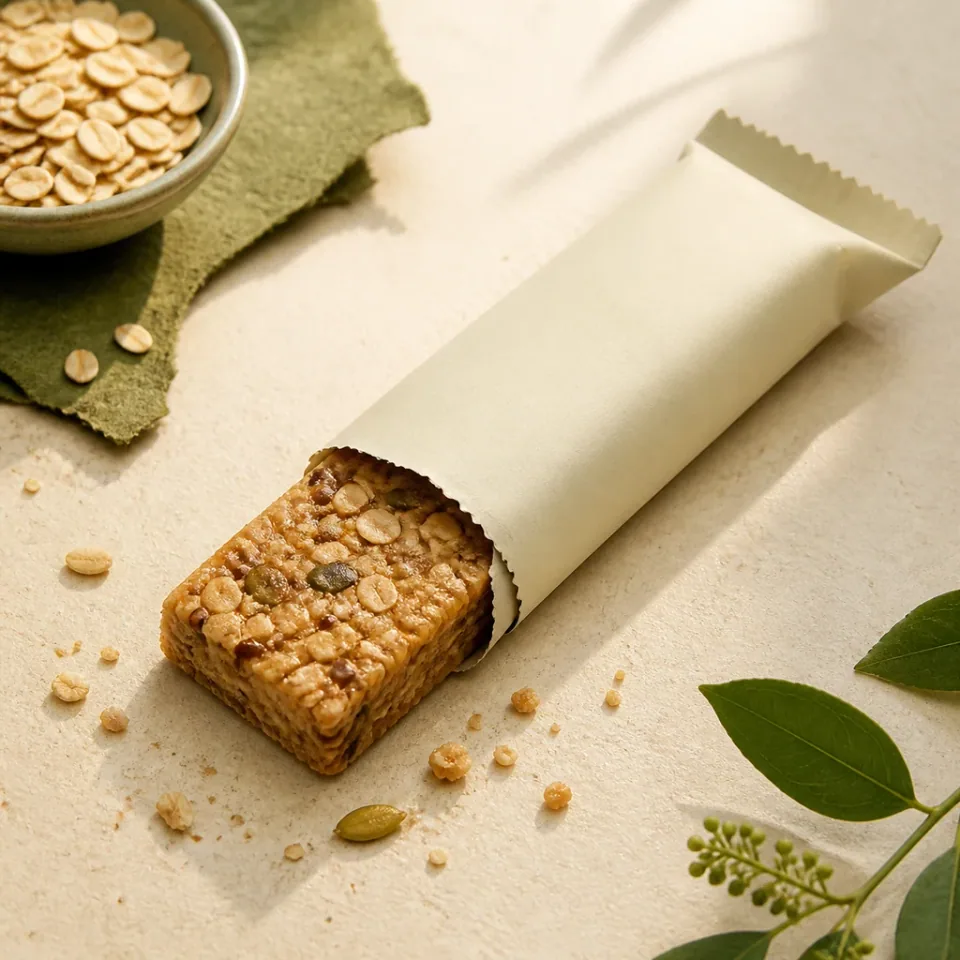
Wrapped snack
It sits beside your meal rather than inside it.
Daily costs for the other formats are the range we observed across Indian brand and retailer listings in August 2026, at one serving a day. RHOZU is ₹1,199 for 60 sachets, two a day, or ₹699 for 30. Prices move, so check current listings before you decide.
RHOZU goes into the meal already on your plate.
Reserve your carton
For the way adults actually eat
RHOZU is for adults who want protein to be consistent and uncomplicated: people who cook on weeknights, carry lunch to work, and want the nutrition to travel with the meals they know by heart.
Keep eating what you like. Let the sachet fit around it.

At home, one sachet joins the dal, rice or curry on the table, stirred in once you have served it.

A slim sachet slips into a tiffin or laptop bag, so the same meal-time routine works wherever the day takes you.
Questions, answered straight
Everyday meal protein. Each sachet holds 10 g of protein from mung bean and rice, plus soluble fibre, a probiotic and a share of ten vitamins and minerals. It's milled fine and left completely unflavoured, so it stirs into savoury food without taking it over. You eat it as part of a meal rather than drinking it.
RHOZU is meal protein. You do not take it on its own at a separate time. It goes into food already on your plate and gets eaten with dinner.
Two sachets. One at lunch and one at dinner, which comes to 20 g of plant protein spread across two meals instead of dropped into a single shake. There's no benefit to taking both at once.
Serve your food first, then sprinkle a sachet over it and stir for ten to fifteen seconds. Keep it out of the pan while it is on the heat, especially a rolling boil. High heat is rough on the probiotic and some vitamins.
Savoury food with real moisture in it: thick dal, sambar, khichdi, curd rice, thick curries and gravy sabzi, moist poha or upma, and soups with some body. It needs a full serving to disappear into, so roughly a 200 g portion for each sachet. It isn't made for plain rice, dry roti, tea or coffee.
It shouldn't add a flavour because there's no sweetener, vanilla or chocolate in it. It can thicken the dish slightly and give it more body. We're testing that across dal, sambar, curd rice and gravies, and we'll report what we find.
Mung is the gentlest tasting of the plant isolates, which matters a great deal when the food is savoury and unsweetened. Rice fills in the amino acids that mung is short on. Pea is cheaper but much harder to hide in dal. Whey is a fine protein and we're not claiming to beat it, it just doesn't belong in your sambar.
It is one named, spore-forming strain, with at least one billion live cultures per sachet at the end of shelf life. We count it then, not when the powder is mixed.
We leave all three out. Iron can make food taste metallic, oxidise over time and upset people who do not need extra iron. Meaningful calcium would require enough mineral powder to make dal chalky. Vitamin C breaks down in warm food, so a number on the pack would not be the number on your plate. If you need any of them, a doctor can dose them properly.
Start with the 30-sachet carton at ₹699 if you want to test it against your own cooking for a fortnight. Move to the 60-sachet carton at ₹1,199 once you know it works: that's a full month at both meals, and it saves you ₹199 against buying two starters.
Not yet. We are finishing sensory testing, lab work and regulatory review. We will not sell a carton before those are done. Reserving one costs nothing, places no hold on your card and puts you on the list we contact first.
RHOZU is made for healthy adults over 18. Speak to a qualified healthcare professional first if you're pregnant or breastfeeding, living with kidney or liver disease, following a protein-restricted diet, taking immunosuppressive medicine, or allergic to any ingredient on the pack. It isn't made for children.
Make protein the easy part
Unflavoured plant protein in single-serve sachets, made to join the food you already love.
Reserve your carton